


Australian visa applications ask for evidence. When that evidence is written in another language, the Department of Home Affairs generally expects an English translation to accompany it. Preparing the right documents before you lodge can save weeks of back and forth later.
This checklist covers the document groups that most often need certified translation. It is a preparation guide, not legal advice. Your visa subclass checklist and your ImmiAccount document list always take priority over any general guide, including this one.
Start with your own document list, not a generic one
Every visa subclass publishes its own document checklist, and your ImmiAccount generates a personalised list once you begin an application. Two people applying for the same visa can be asked for different evidence depending on their circumstances.
Read that list closely before paying for any translation. Translate what is requested, in the form requested. Translating documents nobody asked for adds cost without strengthening the application.
Our certified translation services cover the document types described below. Before ordering, confirm each item against your own checklist so the translation matches what the department actually wants to see.
Civil and identity documents
Civil records establish who you are and how your family is structured. They are the group most frequently requested across visa types, and the group where small errors cause the most delay.
- Birth certificates for you and any dependants included in the application
- Marriage certificates, divorce orders or death certificates of a former spouse
- Household registration records, such as a Chinese hukou or Japanese koseki
- National identity cards and family registers where issued
- Change of name records, if your name differs across documents
Names must match across every document. If your birth certificate uses one spelling and your passport another, do not let the translation quietly standardise them. The translation should reflect what each document says, and any genuine difference should be explained separately in the application.
Passports are usually lodged in the original language because they include English, but supporting identity records often do not. If you are unsure whether a particular identity record needs translation, the passport and ID translation service page explains the common formats we handle.
Police clearances and character records
Most permanent visas, and many temporary ones, require police certificates from countries where you have lived. These certificates are issued by local authorities, often entirely in the local language.
Check three things before translating a police certificate. First, confirm the certificate is still within its validity period. Second, make sure it covers the full period of residence the department asked about. Third, check whether the certificate has a reverse side or an attached verification page, because that content needs translating too.
Military service records and discharge papers fall into the same group for applicants who have served. Include the complete record rather than a summary page alone.
Education and qualification documents
Skilled and student visas rely heavily on education evidence. The documents below commonly need certified English translation when issued in another language.
| Document | Details to check | Common issue |
|---|---|---|
| Degree or diploma certificate | Full name, institution, qualification title, date conferred | Institution name translated inconsistently across documents |
| Academic transcript | Every subject, grade and credit point, including the grading scale | Back page with the grading key left out |
| Trade or vocational certificate | Occupation title, licensing body, registration number | Occupation title not matching the assessing authority's terminology |
Skills assessing authorities set their own translation requirements, and these can differ from the department's. If your visa pathway involves a skills assessment, check the assessing body's instructions as well as the visa checklist.
Employment and financial evidence
Employment references, payslips, tax records and bank statements can all be requested as evidence of work experience or financial capacity. When the originals are in another language, the decision maker needs an English version to assess them.
Employment reference letters deserve particular care. The translation must preserve the exact job title, duties, dates and hours stated in the original. A translator should never tidy up a vague original into something that reads better, because the department compares the translation against the source.
Financial documents such as bank statements are often accepted as extracts when only certain entries matter. Confirm with your checklist or adviser whether an extract is suitable before choosing that option.
How many documents are we really talking about?
Australia is one of the most linguistically diverse countries in the world. The ABS Census cultural diversity statistics show that more than one in five Australian residents speak a language other than English at home, with Mandarin, Arabic, Vietnamese and Cantonese among the most common.
That diversity is reflected in visa lodgements. A single family application can easily involve ten or more foreign language records once birth certificates, marriage records, police clearances and education documents are counted for each applicant. Planning the translation work as one organised batch is usually faster than ordering documents one at a time as requests arrive.
Certification matters here. The department's published guidance asks that translations be prepared by a qualified translator, and in Australia that points to practitioners credentialed by NAATI, the National Accreditation Authority for Translators and Interpreters. A NAATI certified translation identifies the translator and their credential, which is why it is the standard Australian authorities look for.
Preparing clear copies for translation
The quality of the scan you provide shapes the quality of the translation. A cropped photo of the centre of a certificate leaves the translator guessing at seals, registration numbers and marginal notes.
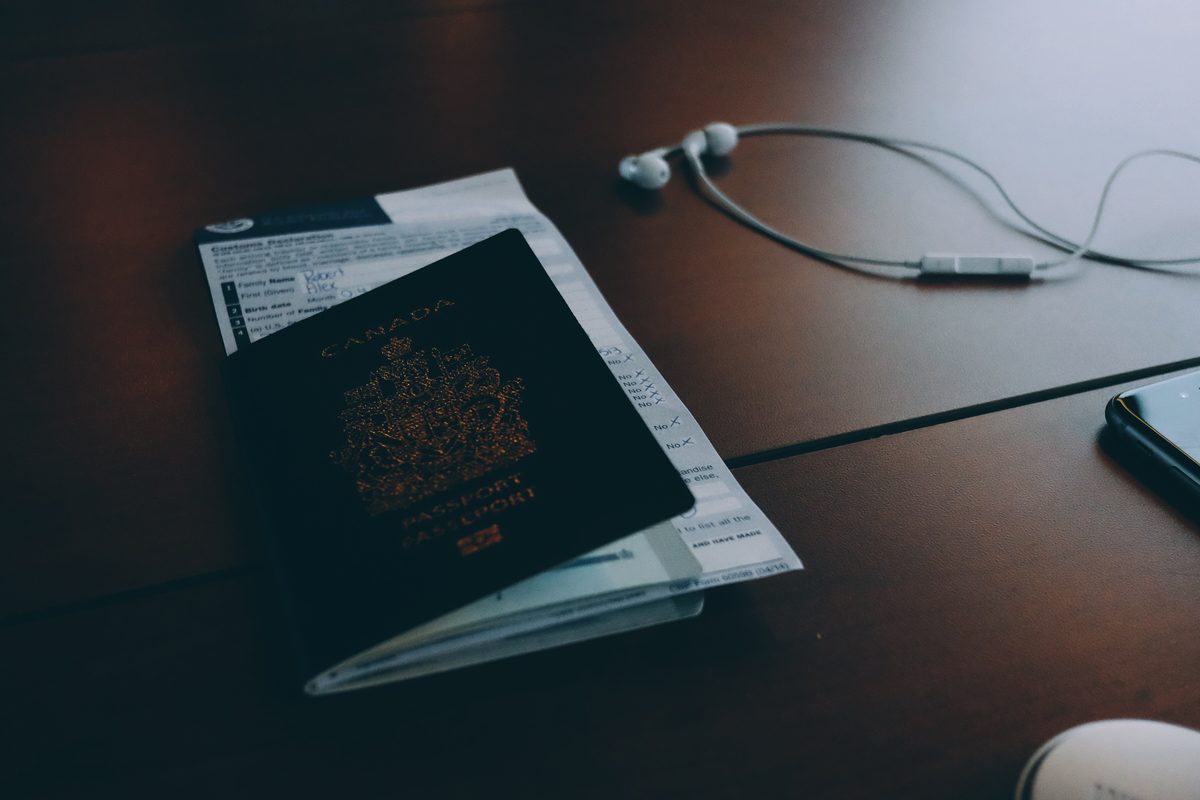
- Scan or photograph the entire page, including edges, seals and reverse sides
- Keep multi page records in their original order
- Include any attached schedules or verification pages
- Do not edit, crop or enhance the image before sending it
If a document is damaged or partly illegible, say so when you submit it. The translator will mark illegible sections honestly rather than inventing content, and the receiving authority can then decide what it needs.
It also helps to understand what can go wrong at the assessment stage. Our article on what happens if immigration rejects a translation explains the common reasons documents are sent back and how to avoid repeating the exercise.
Choosing the right translation scope
Not every document needs every word translated. An extract translation covers the key fields of a standard certificate, while a full translation reproduces the complete wording of the document. Only the receiving authority can confirm which scope suits your application.
Asian Translations displays Self Service Extract Translations at $44.95, Extract Translations at $59.95 and Full Translations at $79.95. Standard turnaround begins from 1 hour, 1 business day and 2 to 3 business days respectively; these are standard timeframes, not guaranteed delivery times.
Once your checklist is confirmed, submit clear copies through the AcudocX platform and note the purpose of each translation. The translation is prepared for the stated use, and the final decision on any application always rests with the department.
A final check before you lodge
Work through your ImmiAccount document list line by line. Match each foreign language record to a certified English translation, check that names and dates are consistent across the set, and keep the original scans in case the department asks for them again.
Good preparation will not decide the visa, but poor preparation can certainly delay it. Give the decision maker a complete, legible file and the process tends to move with far fewer interruptions.
The Asian Translations Team writes practical guidance on NAATI certified document translation, helping applicants organise complete records before they lodge a visa application.