

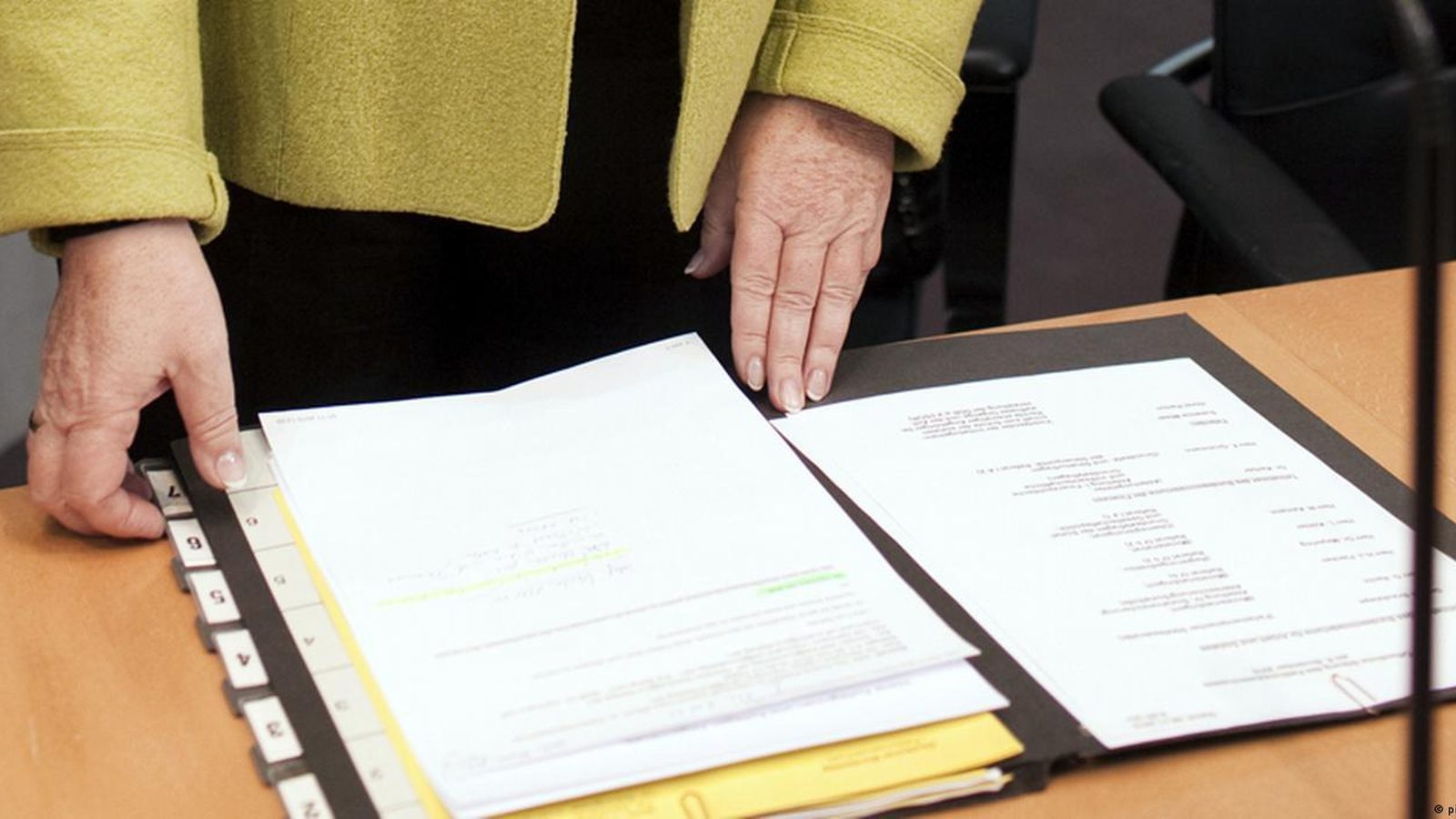
A migration agent in Melbourne opened a refusal letter from the Department of Home Affairs last March. The translator listed on her client's Mandarin marriage certificate did not exist in the public NAATI register. The translation looked clean. The stamp looked official. The visa was refused, and the client lost the application fee along with eight months of waiting. Cases like this surface every week across Australia, and the people behind them rely on one thing: most applicants never check. Reliable document translation services in Australia are easy to find when you know what to look at, but the parallel market for fakes has grown alongside genuine providers and now reaches into Facebook groups, marketplace listings and freelancer platforms.
Where fake NAATI translations actually come from
Counterfeit translations rarely arrive through obvious scam channels. They come from places that look ordinary. Community Facebook groups offer "fast NAATI" work for $25 a page. Marketplace listings advertise certified translations with no business name attached. Overseas freelancer profiles claim NAATI status using stamps copied from genuine practitioners. Each channel runs on the same logic. The applicant is unfamiliar with Australian credentialing, the price is low enough to feel like a bargain, and the file looks convincing on screen.
The work itself often passes a casual reading. Names are transliterated. Dates are converted. A stamp sits in the corner with a number that looks plausible. The forgery only collapses when the receiving authority runs a verification check, and by then the document is already on the file with the applicant's name attached.
The anatomy of a counterfeit document
Fakes share a small set of weak points. Knowing what scammers forge makes the rest of the checks faster.
What scammers forge
The stamp is the most copied element. A high resolution image of a genuine NAATI stamp can be lifted from any sample translation published online and pasted onto a new file. Practitioner numbers are invented or borrowed from real translators who have no idea their identity is in use. Signature blocks are scanned and reused. The language pair and direction fields are often left vague because the forger does not understand they are credential specific.
| Forged element | Counterfeit version | Genuine version |
|---|---|---|
| Stamp | Pasted image, no expiry date | Sharp print with name, level, language pair, direction and expiry |
| Practitioner number | Random digits or borrowed from a real translator | Five or six digit number that matches the public register |
| Signature | Identical pixel pattern across multiple files | Signed at the point of certification |
| Delivery file | Flat scan or editable Word document | Sealed PDF with verification code |
The real cost of using a fake translation
A counterfeit translation rarely stays a small problem. The damage scales with the authority receiving it. A visa refusal carries the loss of the application charge, which often sits above $4,000 for partner and skilled streams, plus the medical and police clearance costs that expire while the case is rebuilt. A driver licence rejection at VicRoads or Service NSW costs less in dollars but pushes the licence transfer back by months. Court submissions are the most serious. Filing a knowingly false document, even one supplied by a third party, can attract criminal liability under state evidence rules. The public NAATI register on the NAATI practitioner directory is the reference point every reviewing officer will use.
| Where the fake is submitted | Likely consequence | Typical recovery cost |
|---|---|---|
| Visa application | Refusal, file closed | $4,000 plus, application fees lost |
| Driver licence conversion | Application rejected, restart required | Two to four months delay |
| Court submission | Document inadmissible, possible referral | Legal costs and reputational damage |
| University enrolment | Offer withdrawn or deferred | One full semester lost |
Red flags you can spot in under two minutes
Most counterfeits give themselves away before payment if you know what to read. A price below $40 for a full certified translation is the first warning, because no NAATI credentialed practitioner in Australia operates at that rate. A stamp with no expiry date is the second. A seller who refuses to share the practitioner number before booking is the third. An invoice with no Australian Business Number is the fourth. A delivery promised inside thirty minutes for a Full Translation is the fifth, because genuine certified work cannot be produced at that pace. Treat any two of these signals appearing together as a refusal to proceed. For a deeper walkthrough of the verification process itself, our guide on how to verify a NAATI translator before you pay covers the practitioner directory and ABN cross check in full.
A small but telling statistic
Identity and document related scams now cost Australians tens of millions of dollars every year according to consumer protection reporting. Translation fraud is a quiet contributor inside that figure because most victims report the loss to the receiving authority rather than to a national tracker. The real volume of fake translation incidents is almost certainly higher than the published numbers suggest, and the migrant community absorbs most of the cost because applicants are the ones rebuilding files and paying second application fees.
A second pattern stands out in the data. Losses cluster around peak migration periods, particularly the months following major visa program updates and the start of each university intake. Scammers time their listings to demand spikes, knowing applicants are working against deadlines and less likely to verify slowly. Anyone preparing documents inside one of these windows should slow the booking step rather than speed it up, and should treat unsolicited offers in community groups with the same caution they would apply to any unverified financial transaction.
What to do if you have already paid for a fake
Stop the submission first. If the document has not yet been lodged with an authority, do not send it. If it has been lodged, contact the receiving body in writing and explain that you have reason to believe the translation is not genuine. Voluntary disclosure is treated very differently from discovery during an audit, and most authorities respond more leniently when the applicant raises the issue first.
Report the seller to ACCC Scamwatch and to your bank if the payment was made by card or PayID, since chargebacks are sometimes possible inside the first sixty days. Keep every piece of evidence including the original listing, payment receipts, the email thread and the file itself. Screenshots of profile pages and seller messages matter because listings vanish quickly once a complaint is lodged.
Notify any other applicants in your household or workplace who may have used the same seller, because counterfeit operators rarely service one client at a time. If your immigration agent or solicitor handled the booking on your behalf, raise the issue with them in writing and ask whether their professional indemnity cover responds to losses arising from a third party translator. Then commission a fresh certified translation from a verified provider so the new submission is clean from the first page. Our NAATI certified drivers licence translations page sets out the standard documentation pathway and pricing for licence related work, and the same process applies across personal documents such as birth, marriage and academic records.
Choosing a safe path forward
Genuine NAATI certified translation services in Australia operate inside a known price band. Self Service Extract Translations are $44.95, Extract Translations are $59.95 and Full Translations are $79.95. Standard turnaround runs from one hour for Self Service work, from one business day for Extracts and from two to three business days for Full Translations. Anything significantly faster or cheaper than these benchmarks should be treated as a warning rather than a deal. Our team handles document translation in Australia across the full range of Asian languages and delivers every file as a sealed PDF through the AcudocX platform, so the certification cannot be edited after the fact.
Quick answers
Is a NAATI stamp downloaded from the internet valid?
No. The image of a stamp carries no certification on its own. Validity comes from a live practitioner credential tied to a specific document, not from the visual element.
Can Home Affairs detect a fake translation?
Yes. Caseworkers cross check translator numbers against the NAATI register as a routine step, and forged practitioner details are usually identified within the first review of the file.
What happens if I unknowingly submitted a fake?
Voluntary disclosure to the authority is the safest route. Penalties are usually limited to the cost of redoing the work, provided you act before the authority discovers the issue independently.
Are cheap overseas NAATI translations ever genuine?
Almost never. NAATI credentials are issued for use within the Australian framework, and the small number of certified practitioners working from overseas charge the same rates as those based locally.